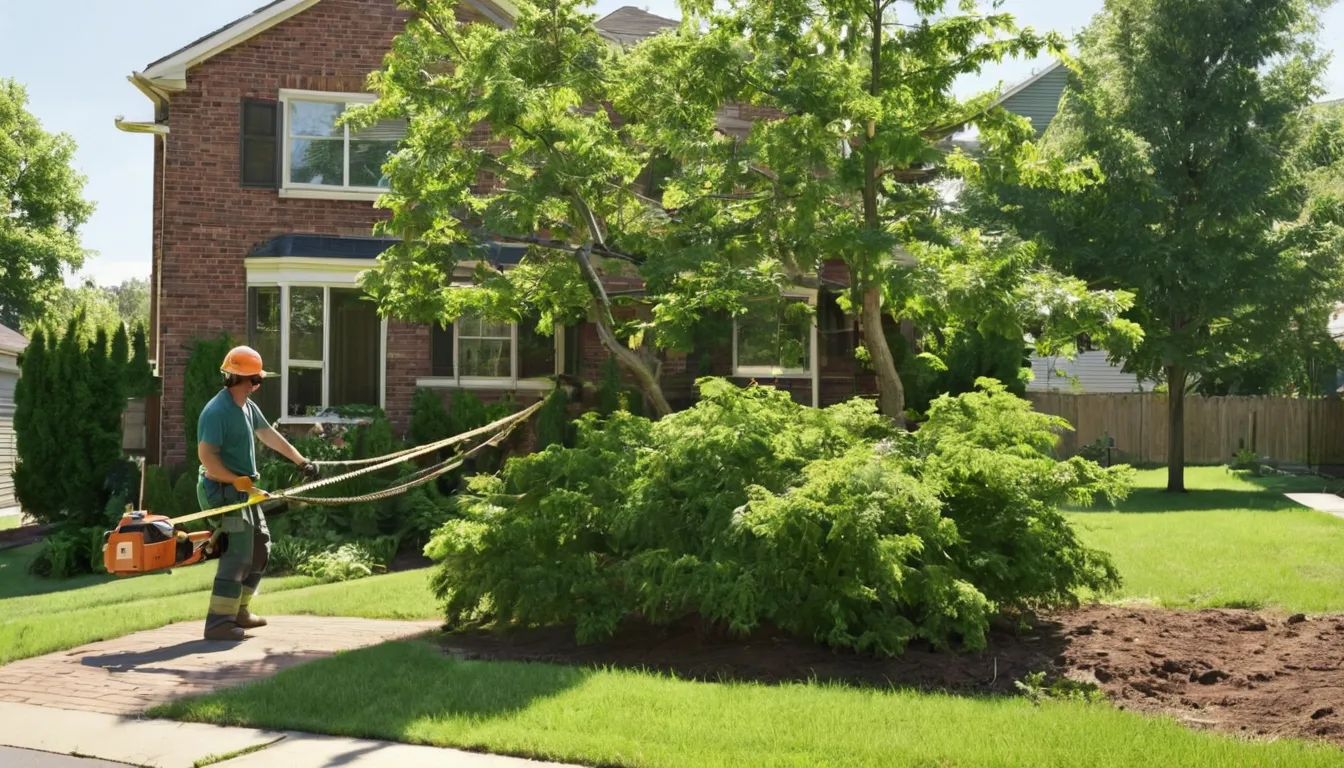
Tracksdesperate Tree Service is a referral service. We connect homeowners in Alpharetta and the Alpharetta area with independent local providers who handle tree removal. The providers do all the work. We help you get started and know what to expect.
This page works like a checklist. First, spot the signs that a tree is a risk. Next, learn how removal works, what changes the price and which rules may apply. Then plan the cleanup and the follow-up checks. Small signs first, so a minor problem does not turn into a major one. When you are ready, call or request an estimate.
Start Here: Is the Tree Coming Down?
Use this page as a checklist. Work from the most urgent item to the least urgent. Not every tree needs to go. Some need trimming, and some just need a closer look. A local provider in our network can inspect the tree and tell you which it is.
First, Look Up: Small Signs First
Most tree problems start small. Walk the yard and check for these:
- Dead branches or bare limbs in an otherwise leafy crown
- Mushrooms or soft, crumbly wood near the base
- Cracks, splits or peeling bark on the trunk
- A new lean, or soil heaving near the roots
- Branches touching the roof, siding or wires
Write down what you see. Take photos from a safe distance. Providers can use them to give a better first estimate.
Signs That Cannot Wait
Some findings move to the top of the list:
- A tree leaning toward the house or a play area
- A large limb hanging loose after a storm
- Roots lifting out of the ground
- Any limb tangled in power lines
Stay clear of the area. Keep children and pets away. Never go near a downed line. Request a callback to check provider availability, or use the request form.
Reasons Homeowners Remove Trees
- The tree is dead, dying or diseased
- Storm damage left it unsafe
- Roots press on a slab, crawl space or pipes
- It blocks a planned addition or driveway
- Branches keep dropping onto the roof
Hot, humid summers and strong thunderstorms stress older trees. Ice adds weight to weak limbs. Mature trees near older mill-era homes often show these problems first.
How Tree Removal Works
The usual order looks like this:
1. Inspect. The provider checks the tree, the yard and the access. 2. Quote. You get a written scope and price. 3. Set up. The provider marks drop zones and protects the lawn and structures. 4. Cut. The tree is felled whole or taken down in sections. 5. Haul. Brush is chipped, and logs are hauled or left, as agreed. 6. Walk through. You check the site together before the work is closed out.
Tree Falling Service or Sectional Takedown?
A tree falling service drops the tree in one piece, in one direction. That needs open space. Near brick walls, vinyl siding, fences or wires, providers often cut the tree in sections with ropes or a crane. Sectional work usually costs more. It also protects your property.
What Moves the Price
Next, look at what drives the quote:
- Height and trunk width
- Distance to the house and power lines
- Access for trucks and equipment
- Tree condition, since dead wood is harder to predict
- Haul-away and cleanup
- Whether the stump stays or goes
Ask for a written quote that lists each item. The cost table below shows typical U.S. ranges.
Permits and Local Rules
Rules differ by town. Some places require a permit for large or protected trees. Others have rules for trees in the street right-of-way. A homeowners association may add its own steps. Check with your local office first. Ask the provider if they handle the paperwork. Trees touching power lines are usually handled by the utility company.
Choosing a Tree Removal Provider
Compare at least two quotes. Then check each one for these items:
- Proof of liability insurance and workers' compensation
- A written scope with a clear price
- Local references or work history
- A plan for cleanup and debris
Be careful with anyone who asks for full payment up front or pushes you to decide on the spot.
Questions to Ask Before You Agree
- Will the tree be felled whole or cut in sections?
- Is cleanup and haul-away in the price?
- What happens if the tree hits something?
- Is stump grinding included, or priced separately?
Getting Ready for Removal Day
1. Move cars out of the driveway and street frontage. 2. Clear toys, furniture and planters from the work area. 3. Keep pets indoors. 4. Tell neighbors the work is coming. 5. Point out sprinkler heads, buried lines and fences. 6. Take before photos of the yard and the house.
After the Tree Comes Down: Fix It, Then Watch
Once the tree is gone, do a quick check:
- Look at the roof, gutters, fence and siding for damage
- Rake out wood chips and small debris
- Fill and level any low spots
- Decide what to do with the stump
Then watch the trees that remain. Shade patterns change after a removal, and nearby trees may get more wind.
Storm Tree Clearance Notes
Thunderstorms, ice and the remains of tropical systems can bring trees down fast. Storm tree clearance often means a tree on a roof, fence or driveway. If the tree is on the house, step outside and call for help. Emergency tree removal is a separate need with its own page. Some policies may cover sudden damage, so check your policy. Providers can often help document damage for a claim.
A Simple Follow-Up Schedule
1. Week one: Check the cleanup area and the repaired lawn. 2. Month one: Look at neighboring trees for new leans or cracks. 3. Each season: Scan crowns for dead limbs. 4. After big storms: Walk the yard and check again.
Next Step
Pick your first action from the list above. Request a callback to check provider availability, or send a request.
What's Included
Site Inspection
A local provider looks at the tree, the roots and the access path before any price is given.
Written Quote
Ask for the scope, the haul-away terms and the price in writing before you agree.
Safe Takedown Methods
Providers choose whole felling or sectional cutting based on nearby walls, fences and lines.
Cleanup Plan
Agree on brush, logs and debris before the work starts, so the final walk-through is simple.
Typical Tree Removal Costs
These are typical U.S. ranges. Real prices vary by tree size, access, condition and local rates. Use the table to plan, then get a written quote from the provider before work begins.
| Item | Typical range | Notes |
|---|---|---|
| Small tree (under 30 ft) | $200 – $800 | Easy access keeps the price lower |
| Medium tree (30–60 ft) | $600 – $1,800 | Often cut in sections near buildings |
| Large tree (over 60 ft) | $1,500 – $3,500 | Height and trunk width raise the price |
| Crane-assisted removal | $2,000 – $6,000 | Used when space or risk is tight |
| Storm-damaged tree on a structure | $1,500 – $5,000 | Depends on damage and access |
| Stump grinding add-on | $150 – $600 | Often priced separately from removal |
How It Works
Check the Tree
Walk the yard, note the warning signs and take photos from a safe distance.
Call or Request an Estimate
Request a callback to check availability, or send the request form to get started.
Compare Written Quotes
Review scope, cleanup terms and price from at least two providers before choosing.
Schedule and Follow Up
Prepare the yard, attend the walk-through, then run your follow-up checks.
Why Call Tracksdesperate Tree Service
Clear Steps
The page follows an ordered checklist, so you always know what to do first and what comes next.
Local Providers
You are matched with independent providers who work in your area and do all the work.
Honest Pricing Info
Typical ranges help you compare quotes and spot numbers that look far off.
Follow-Up Focus
Simple checks after removal help you catch small problems early.
Other Services
Need tree removal in Alpharetta?
Questions about a tree, a stump or storm damage? Send the request form and a local provider in our network can follow up with you.
Tree Removal FAQ
- How do I know if a tree needs to be removed?
- Look for dead limbs, fungus at the base, deep trunk cracks, a new lean or lifted roots. One small sign may only need a closer look. Several signs together suggest asking a provider for an inspection.
- How much does tree removal cost?
- Typical U.S. prices run from a few hundred dollars for a small tree to several thousand for a large or hard-to-reach one. Access, height and cleanup all matter. Always get a written quote.
- Do I need a permit to remove a tree?
- It depends on your town and the tree. Some places require permits for large, protected or street-side trees. Check with your local office first, and ask the provider whether they handle paperwork.
Tell us what happened
Questions about a tree, a stump or storm damage? Send the request form and a local provider in our network can follow up with you.
No obligation