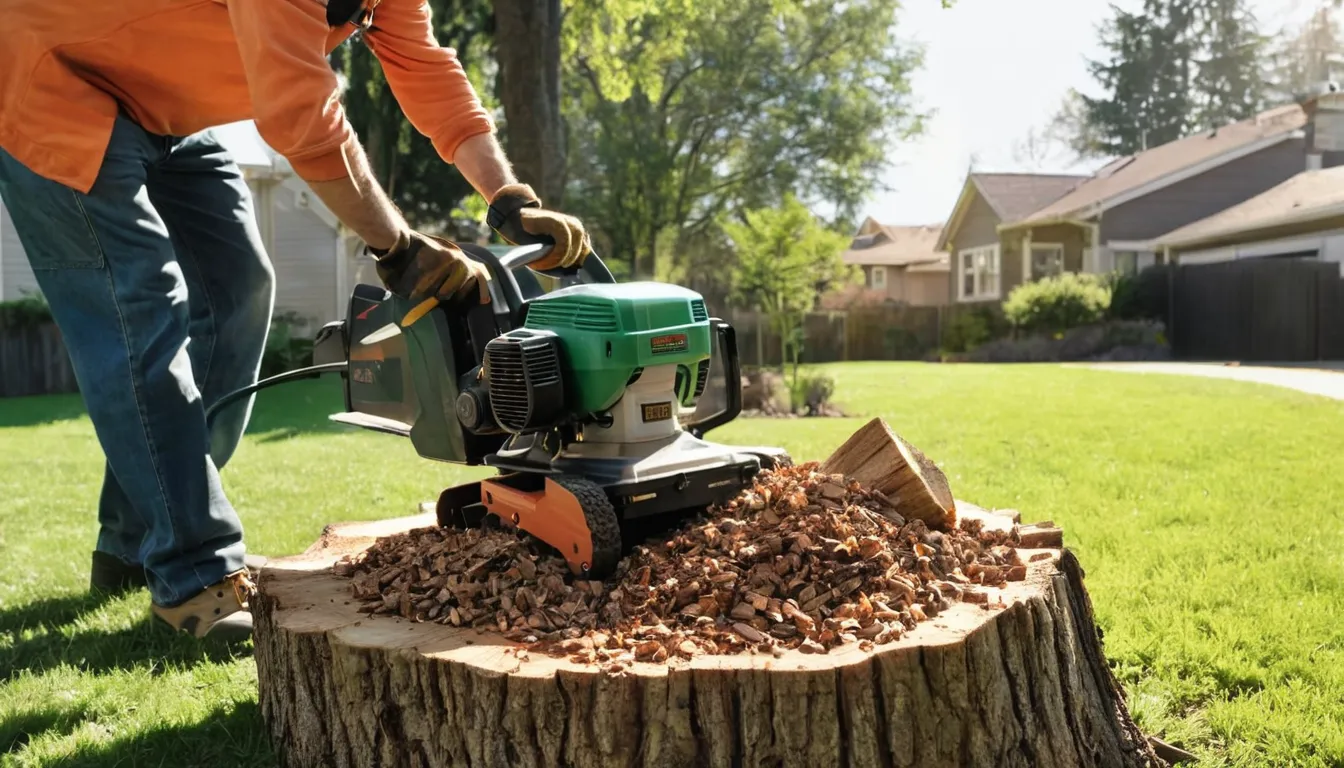
A stump looks harmless, but it can cause trouble for years. It can trip people, hide mower damage, grow fresh sprouts and attract pests. Tracksdesperate Tree Service helps homeowners in Alpharetta and the Alpharetta area sort out stump grinding in clear, simple steps.
Tracksdesperate Tree Service is a referral service. The business does not grind stumps itself. It connects you with independent local providers who do the work. This page covers what to check first, how grinding works, what changes the price, how to prepare the yard, and what to watch for after the stump is gone.
You will also find tips on what to ask a provider before you agree to a job, so you can compare quotes with confidence and avoid surprises on the day.
Stump in the Yard? Start Here
First, decide what you want the space to be. Lawn, garden bed, patio or a spot for a new tree all call for slightly different grinding depths. Write that down before you talk to any provider.
Next, read the sections below in order. They run from the most pressing issues to the routine ones.
Small Signs First: Warning Signs Around a Stump
Stumps give hints before they become a real nuisance. Watch for these:
- Green shoots or suckers growing from the stump or nearby roots
- Mushrooms or soft, crumbly wood
- Ants, termites or beetles moving in and out
- Roots lifting a walkway, driveway edge or lawn
- A stump edge that is hard to see in tall grass
If you spot two or more, plan the grinding soon. Hot humid summers speed up rot and insect activity.
Problems Old Stumps Cause
A stump is more than an eyesore. Here is what it can do:
- Trip hazard for kids, guests and anyone with a mower
- Hiding place for insects and rodents
- Slow decay that feeds fungus in damp soil
- Sprouts that keep pulling energy from old roots
- Blocked space for planting, paving or fencing
Termites are the one to take seriously. Rotting wood close to a crawl-space or slab foundation can invite them closer to the house.
How Stump Grinding Works
The process is short and easy to follow:
1. The provider walks the site and marks any hazards. 2. A grinder with a spinning cutting wheel is moved next to the stump. 3. The operator sweeps the wheel side to side and lowers it a little at a time. 4. The stump and the thick surface roots are turned into wood chips. 5. The chips are left in the hole, raked out or hauled away, depending on the quote.
Most grinders cut several inches below ground level. Ask for the exact depth you want.
Stump Grinding vs. Stump Removal
Grinding cuts the stump down in place. Full removal digs out the stump and most of the root ball. Grinding is usually faster, tidier and cheaper. Removal makes sense when you plan to pour a slab or build something heavy on the spot.
A provider can tell you which fits your site.
What Affects the Price
These details change a quote the most:
- Stump diameter and how far roots spread above ground
- Number of stumps on the same visit
- Hard or dense wood, or very old, dry wood
- Tight gates, slopes or soft, wet ground
- Cleanup and hauling choices
Typical figures are in the cost table on this page. Always get a written quote.
Getting Ready for Grinding Day
Work through this checklist first:
- Mark sprinkler heads, drip lines and pet fences
- Clear toys, pots and furniture from the path
- Unlock gates and note any narrow openings
- Tell neighbors that noise and flying chips are likely
- Keep children and pets indoors during the work
Then walk the yard with the provider and point out anything you are unsure about.
Check Underground Lines First
Grinders cut below the surface. Before any digging or grinding, utility lines should be located. In most of the U.S. you can request a line-marking service by dialing 811. Ask the provider whether they handle this or whether you should.
Stumps Left From Storm Tree Clearance
After a thunderstorm, ice storm or tropical system, a fallen tree is often cut up fast and the stump is left for later. That is normal. Once the debris is gone, the stump becomes a separate job. Schedule it when the ground is not soaked, since heavy machines can tear up wet lawns.
If a tree is still hanging or leaning, that is a different job. See the pages on tree removal and emergency tree removal.
Grinding Stumps Left From Past Removals
Older stumps need a closer look. Wood that has been rotting for years can be soft in some spots and rock hard in others. Buried rocks, old fence wire or nails can damage the cutting wheel. Tell the provider what you know about the yard's history, especially in older mill-era neighborhoods where fences and outbuildings once stood.
What Happens to the Wood Chips
You have three common choices:
1. Leave the chips in the hole to settle and break down. 2. Spread them as mulch in beds, keeping them away from siding. 3. Pay the provider to haul them off.
Keep chips a few inches from brick and vinyl siding. Wet mulch against walls holds moisture.
Fix It, Then Watch: After Grinding
The job is not finished when the grinder leaves. Use this follow-up list:
1. Fill the hole with topsoil and pack it down lightly. 2. Top off the soil again after heavy rain, since chips shrink as they rot. 3. Seed or sod the area once the soil is level. 4. Pull any shoots that appear from leftover roots. 5. Check the spot monthly for the first season.
Prevent Repeat Problems
Sprouts can return from roots that were not fully removed. Cut them back as soon as they show. Keep soil around the spot from staying soggy, and watch nearby trees for the same early signs you spotted on the stump.
Questions to Ask the Provider
Bring this list to every conversation:
- How deep will the grinding go?
- Are surface roots included?
- Is cleanup and chip hauling in the quote?
- Who handles underground line marking?
- Does the provider carry liability insurance?
- How will the lawn be protected from the machine?
Get It in Writing
A good quote lists the number of stumps, grinding depth, cleanup terms and total price. Compare two or three if you can. Keep the quote until the job is done and the yard looks right.
Your Next Step
Look around the yard, count your stumps, and note their sizes. Then Request a callback to check provider availability, or send an estimate request with those details.
What's Included
Site Walkthrough
The provider checks stump size, roots, access and hazards before giving you a written quote.
Stump Grinding
A grinder cuts the stump and thick surface roots below ground level into wood chips.
Cleanup Options
Chips can stay in the hole, be raked into beds, or be hauled away as agreed.
Filling Advice
Providers can explain how to add topsoil, reseed and watch the spot as the chips settle.
Typical Stump Grinding Costs
These are typical U.S. ranges. Your price depends on stump size, access, wood type and cleanup. Ask each provider for a written quote that lists exactly what is included.
| Item | Typical range | Notes |
|---|---|---|
| Small stump (under 12 in.) | $75 – $200 | Easy access, few surface roots |
| Medium stump (12–24 in.) | $150 – $400 | Most common yard stump size |
| Large stump (24–36 in.) | $300 – $700 | Wide roots add machine time |
| Minimum service visit | $100 – $250 | Some providers set a base fee |
| Chip haul-away | $50 – $200 | Depends on volume and distance |
| Topsoil fill and seed | $50 – $200 | Optional finishing step |
How It Works
List your stumps
Note how many stumps you have, rough widths, and where each one sits in the yard.
Request an estimate
Send your details through the request form, or request a callback to check provider availability in your area.
Compare quotes
Check depth, cleanup, line marking and total price in writing.
Prep and watch
Clear the path before the visit, then check the filled spot each month.
Why Call Tracksdesperate Tree Service
Clear steps, no guessing
This page lays out each stage in order, so you know what to ask and what to expect.
Independent providers
Tracksdesperate Tree Service refers you to local providers who do the grinding.
Written quotes
Ask each provider to put depth, cleanup and price on paper before work starts.
After-work checks
Follow-up tips help you spot sprouts, settling and pests while they are small.
Other Services
Need stump grinding help in Alpharetta?
Questions about a tree, a stump or storm damage? Send the request form and a local provider in our network can follow up with you.
Stump Grinding Help FAQ
- How long does stump grinding take?
- A single average stump often takes under an hour of grinding, but total visit time depends on size, access and cleanup. Ask the provider for an estimate when you request the quote.
- Is stump grinding better than stump removal?
- Grinding is usually quicker, neater and less costly, and it leaves most roots to rot underground. Full removal is better if you plan to build over the spot or replant right there.
- Can I plant grass or a tree after stump grinding?
- Yes, in most cases. Fill the hole with topsoil, let the chips settle, then seed grass. For a new tree, many providers suggest planting a few feet away or clearing out the chips first.
Tell us what happened
Questions about a tree, a stump or storm damage? Send the request form and a local provider in our network can follow up with you.
No obligation